Qo'qonda qad ko'tarib turgan Jome' amaliy san'at muzeyi kompleksning bir qismi hisoblanadi. Bu yerda to'quvchilar sulolasining beshinchi avlodi ijod qilishi to'g'risida ma'lumotimiz bor. Boshqa ijodkorlar va Ularning ijodlari haqida axborot topa olmadik.
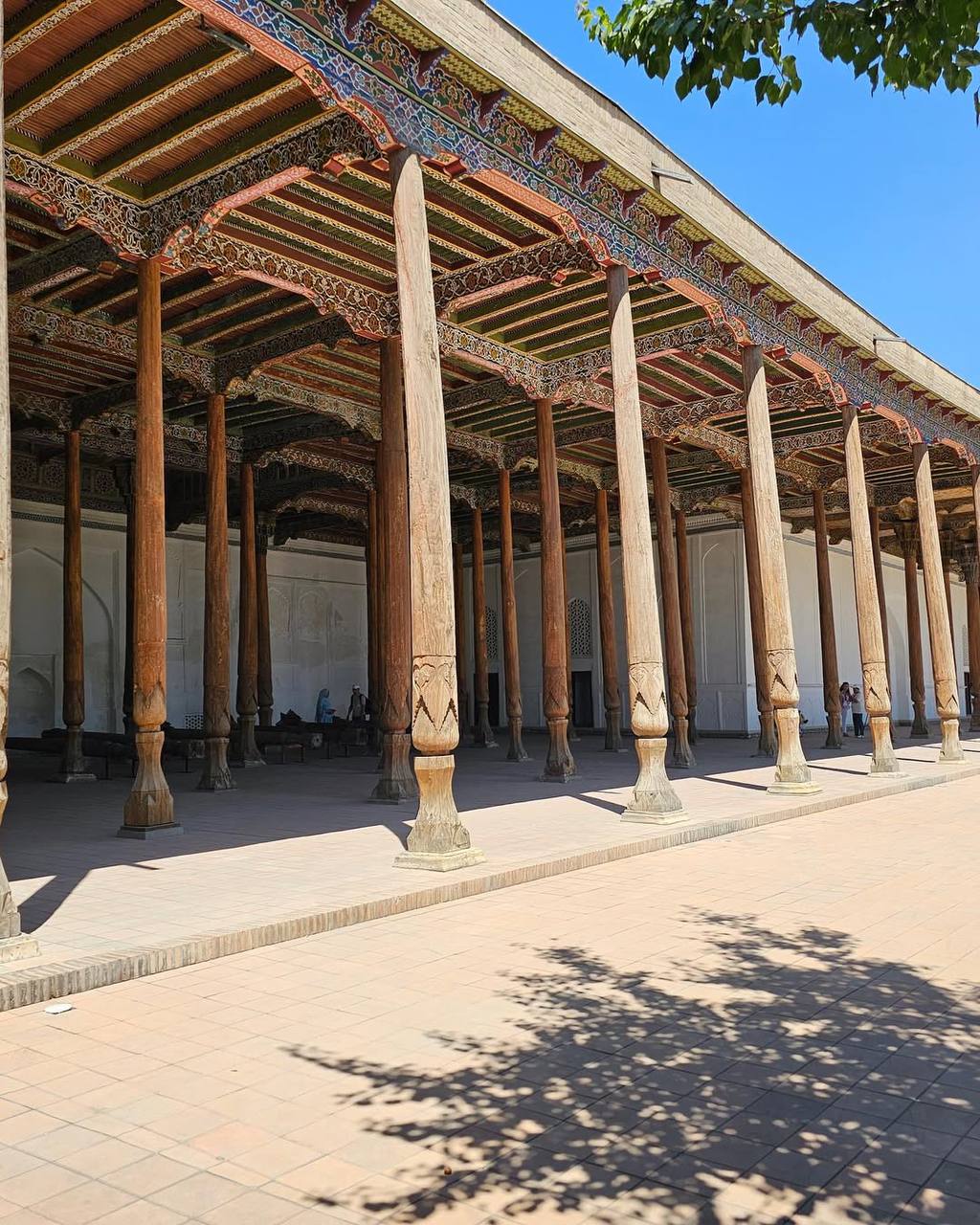
Xuddi shu nom ila atalinuvchi masjidda 98ta yog'och ustun bor va 99-o'laroq minora ko'rsatilinar ekan.
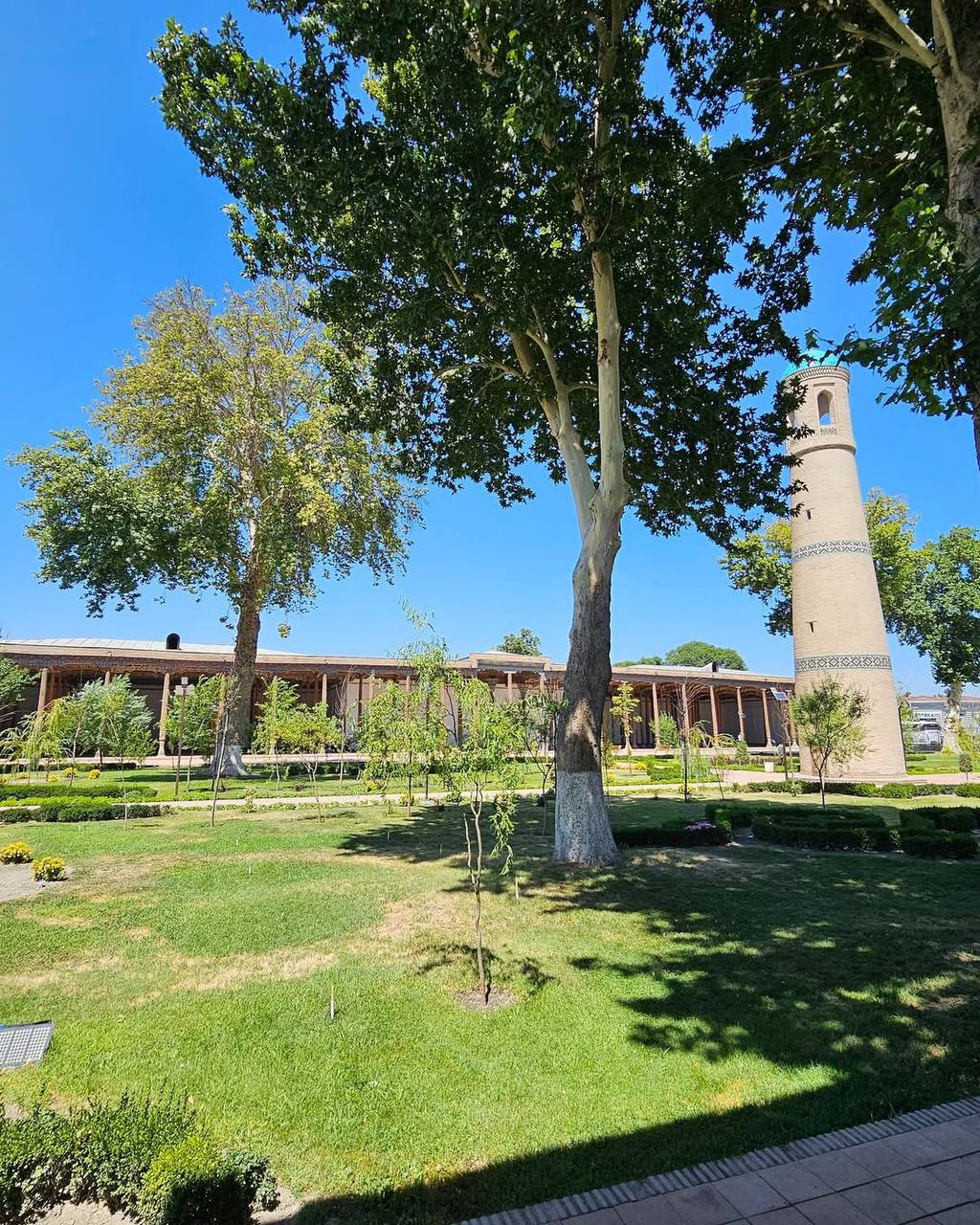
Jome' masjidi va minorasi XIX asr boshidagi inshoot bo'lib, bularning har ikkisi obodonlashtirilgan hovlisi bilan yagona majmuani tashkil etadi. Mahalliy afsonalar masjid qurilishini 1809-1822 yillarda Qo‘qonda hukmronlik qilgan Umarxon bilan bog‘laydi. Bino shaharliklarga juma namozi uchun xizmat qilgan.
Masjidning ko‘ndalang o‘qi bo‘ylab ishlab chiqilgan simmetrik rejasi qishki xona va keng uch qirrali ayvondan iborat bo‘lib, uning tekis shifti 98 ta yog‘och ustunlar bilan mustahkamlangan.
Binoning asosiy jabhasi, zinapoyali, dekorativ tarzda bezatilgan kornişli nozik ustunni ifodalaydi, sharqqa qaragan. Masjid o‘zining ulkan o‘lchami (97,5 x 25,5 m) va turli bezaklari bilan hayratga soladi.
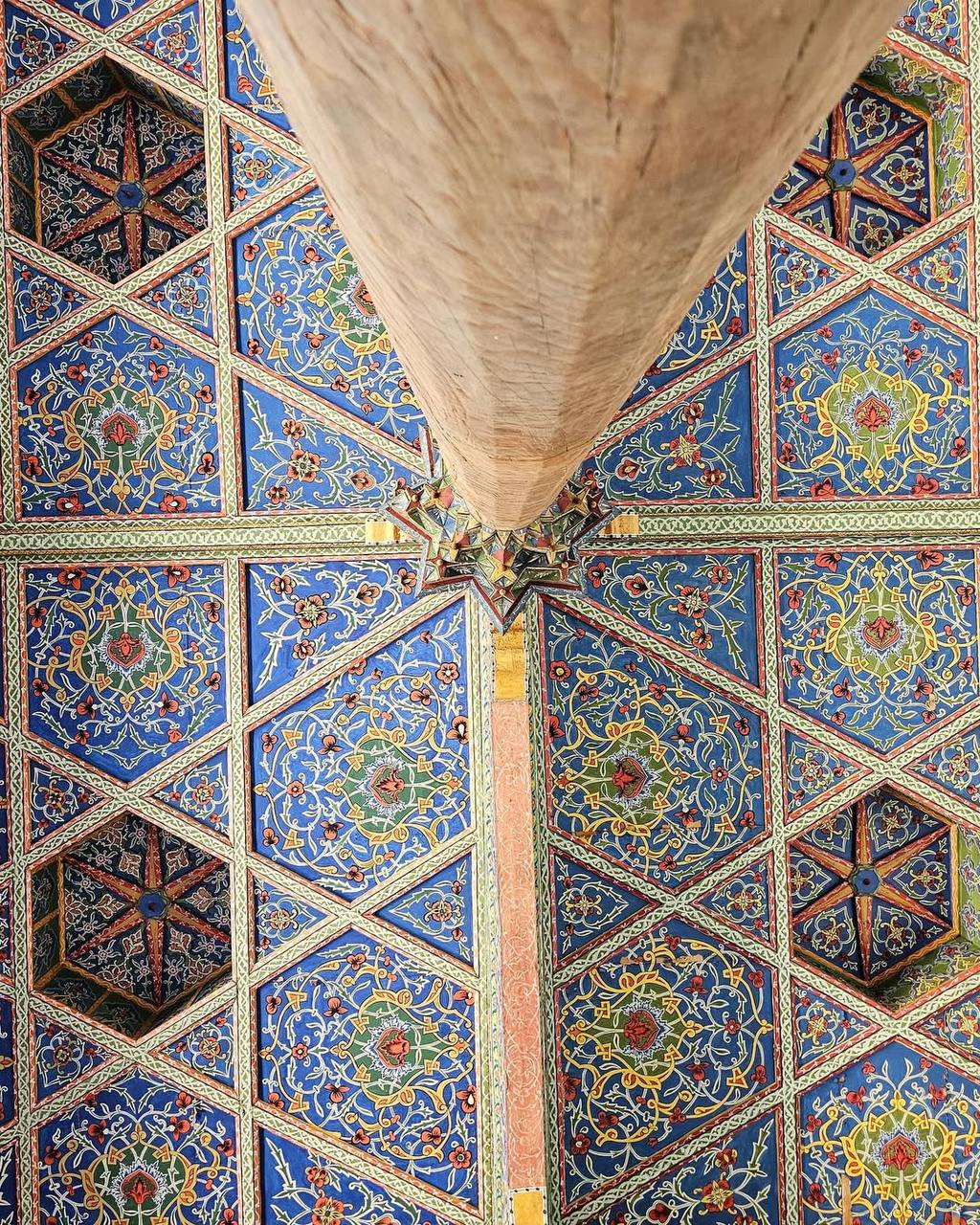
Pishirilgan g'isht ishlari tugallanmagan qattiq jabhalardan farqli o'laroq, asosiy fasad va interyerlar boy bezatilgan. Shiftning plafondlari va nurlari turli xil o'simlik va geometrik naqshlar bilan qoplangan. Devor va pollarning kesishish chiziqlari stalaktit friz bilan yumshatiladi. Devorlari ganch bilan tugatiladi, so'ngra ularni lansetli chuqurchalar bilan to'rtburchaklar panellarga bo'linadi. Devorlarning pastki qismida panel chaspak bezaklari bilan bezatilgan. Ushbu turdagi dekor sof xalq an'analariga amal qiladi va ganch mozaikasi hisoblanadi. Bu texnik jihatdan sodda va juda samarali.
Individual chizmalar alabaster qatlamida kesiladi va silliq devor yuzasini saqlab, boshqa ohangdagi ohak bilan to'ldiriladi. Bu uslub nafaqat Farg'ona me'morchiligida, balki O'rta Osiyoning boshqa hududlarida ham ichki bezatish uchun keng qo'llanilgan.
Yaqin atrofda masjid bilan bir vaqtda qurilgan minora ko'tarilgan. U kesilgan konusga o'xshab, tepasida olti burchakli gumbazli fonarga o'xshaydi. Milning ichida spiral zinapoya mavjud. Balandligi 22 m dan ortiq bo'lgan minoraning qat'iy monumental hajmi dekoratsiyadan butunlay mahrum.
Jome’ majmuasi qimmatbaho monumental va dekorativ elementlarga ega Farg‘ona me’morchiligiga xos diniy bino bo‘lib, davlat muhofazasida.
Музей прикладного искусства Джоме (Jome’ Applied Art Museum) — Коканд
Полное название: Джоме’ музей прикладного искусства — филиал Кокандского городского музея истории и культуры
Тип музея: Историко‑этнографический музей прикладного искусства и ремёсел
Тематика: Народные ремёсла, декоративное искусство и культурные традиции Кокандского региона
Расположение: город Коканд, Ферганская область, Узбекистан 🇺🇿
Farg‘ona Hokimligi
Общая характеристика
Музей прикладного искусства «Jome’» является структурным подразделением Кокандского городского краеведческого музея (Qo‘qon shahar o‘lkashunoslik muzeyi) и посвящён сохранению, изучению и демонстрации традиционных народных ремёсел, декоративно‑прикладного искусства и культурных ценностей, связанных с историей и повседневной жизнью жителей Коканда. �
Milliylik-millat ko'zgusi
История музея
«Jome’ amaliy san’at muzeyi» был основан в 1925 году как отдельный отдел при Кокандском музее истории, чтобы сохранять традиционные художественные и ремесленные произведения, связанные с историей Кокандского ханства и культурой Ферганской долины. �
Farg‘ona Hokimligi
С тех пор он функционирует как один из ключевых разделов музея, представляя широкий спектр народного искусства.
Milliylik-millat ko'zgusi
Экспозиция и коллекция
Экспозиция музея сосредоточена на предметах прикладного искусства, отражающих народное творчество региона, в том числе:
Milliylik-millat ko'zgusi
✔ традиционные ремёсла и бытовые изделия;
✔ примеры текстильного творчества и украшений;
✔ изделия из дерева, металла и керамики;
✔ предметы культурных и ремесленных практик, развитых в период Кокандского ханства и советской эпохи;
✔ материалы, отражающие связь ремёсел с повседневной жизнью и культурой жителей Коканда.
Архитектурный контекст
Музей расположен в историческом здании, входящем в комплекс Кокандского музея истории и культуры, который был основан на базе дворца Худойорхона — резиденции правителей Кокандского ханства.
Milliylik-millat ko'zgusi
Расположение и доступ
Где: г. Коканд, Ферганская область, Узбекистан
Время работы: обычно музей открыт ежедневно в дневные часы (например, с 09:00 до 18:00 — уточнять на месте)
Вход: символическая плата или включён в общий билет музея истории и культуры ›
Milliylik-millat ko'zgusi
Культурное и образовательное значение
Музей прикладного искусства Jome’ представляет собой важное звено в сохранении и популяризации народных ремёсел и искусства Кокандского региона. Он помогает: �
✔ сохранить традиционные художественные навыки;
✔ познакомить посетителей с культурой и творчеством народа;
✔ показать развитие ремёсел от исторических форм до современного состояния;
✔ служить просветительским пространством для школьников, студентов и туристов.
Farg‘ona Hokimligi
Кратко
Музей прикладного искусства «Jome’» — это филиал Кокандского музея истории и культуры, посвящённый народным ремёслам, декоративно‑прикладному искусству и культурному наследию региона, функционирующий с 1925 года и представляющий важную часть материальной и духовной истории Коканда.
Jome' Mosque Museum of Applied Arts (Jome' Amaliy San'at Muzeyi) in Kokand
The query “Jome' Amaliy San'at Muzeyi” refers to the Jami (or Jome') Mosque Complex in Kokand (Qo‘qon), Fergana Valley, Uzbekistan. This historic Friday mosque, built in the early 19th century, currently functions partly as a small museum space dedicated to applied arts, showcasing regional handicrafts. It is not a standalone large museum like the State Museum of Applied Arts in Tashkent, but rather a cultural and architectural monument where selected interior spaces of the mosque complex have been adapted to house museum-style exhibits, particularly since the Soviet period and following later restorations.
General Information
Official/Common Name:
Jami Mosque (Jome' Masjidi). In tourist guides and informal references, the site is sometimes described as a museum of applied arts due to the presence of handicraft exhibitions within the mosque complex. The mosque is located adjacent to the Norbutabiy Madrasah, together forming part of the historic Chorsu ensemble of Kokand, though they remain separate architectural structures.
Location:
Central Kokand, on Chorsu Square, the city’s historic main square, easily accessible within the old town area.
Type:
Architectural monument (Friday mosque with associated structures) combined with a small applied arts exhibition.
Profile:
Primarily a 19th-century mosque complex illustrating Fergana Valley religious and architectural traditions, with a dedicated section displaying traditional applied arts such as suzani (embroidered textiles), ceramics, embroidery, and other regional handicrafts. The museum component emphasizes local decorative arts, reflecting Kokand’s historical role as a major center of craftsmanship and artisan culture.
History and Architecture
Historical references indicate the presence of a mosque on this site as early as the 9th–12th centuries, but the current architectural ensemble was constructed between 1809 and 1818 under Umar Khan (ruler of the Kokand Khanate, 1809–1822), continuing construction initiatives begun under his predecessor Alim Khan. The complex was designed by a master architect from Ura-Tyube (present-day Istaravshan, Tajikistan) and built by more than 200 craftsmen and builders.
Key architectural features include:
Minaret:
A centrally positioned minaret approximately 22–22.5 meters high, built of baked brick and topped with a faceted dome. It offers panoramic views of Kokand, although public access is subject to local regulations and safety conditions.
Aivan (Portico):
A vast approximately 100-meter-long aivan, supported by 98 intricately carved wooden columns made of red elm (karagach). The timber is traditionally associated with long-distance trade routes, often linked in local accounts to India. Each column features unique carvings and colorful painted ornamentation, making this portico one of the complex’s most celebrated elements.
Interior Spaces:
The complex includes a winter prayer hall (khanaka) with additional columns, elaborately decorated ceilings in the Fergana style (vassa juft) featuring geometric and floral motifs, and walls adorned with carved ganch (alabaster plaster) panels. Decorative techniques such as “chaspak” mosaic patterns, characteristic of Kokand craftsmanship, are also present.
Historically, the ensemble included associated madrasah buildings; the Norbutabiy Madrasah, located immediately nearby, formed part of the broader religious and educational landscape of Chorsu but remains a distinct structure.
During the early Soviet period, the mosque was closed and repurposed for secular use. The complex functioned partly as a cultural and museum space before being restored and reopened in 1989. Today, it operates simultaneously as an active mosque and a heritage site with museum-style displays, blending religious practice with cultural presentation.